Scroll down ↓



Atelier Fays, A Passion Project Born in Champagne
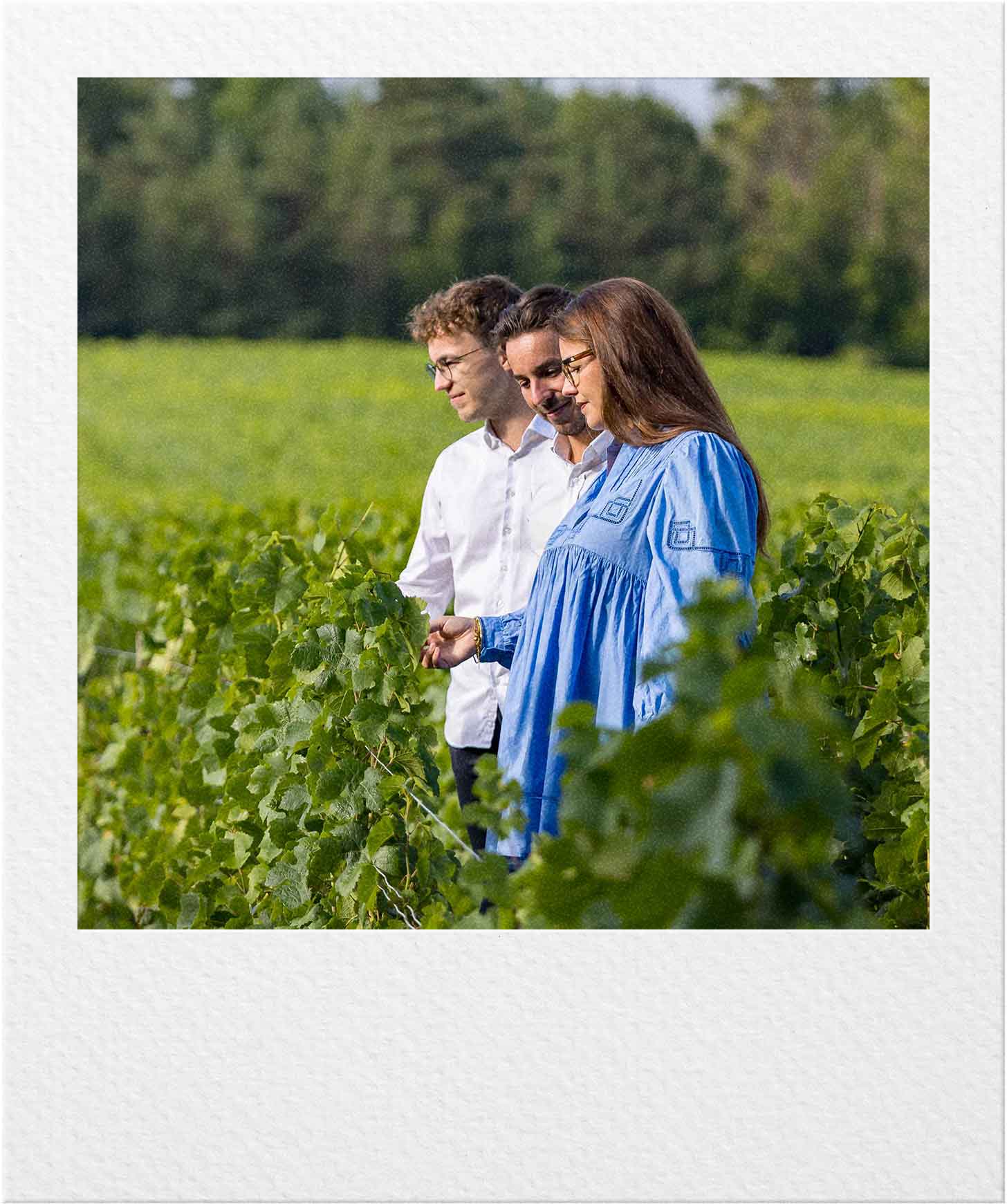
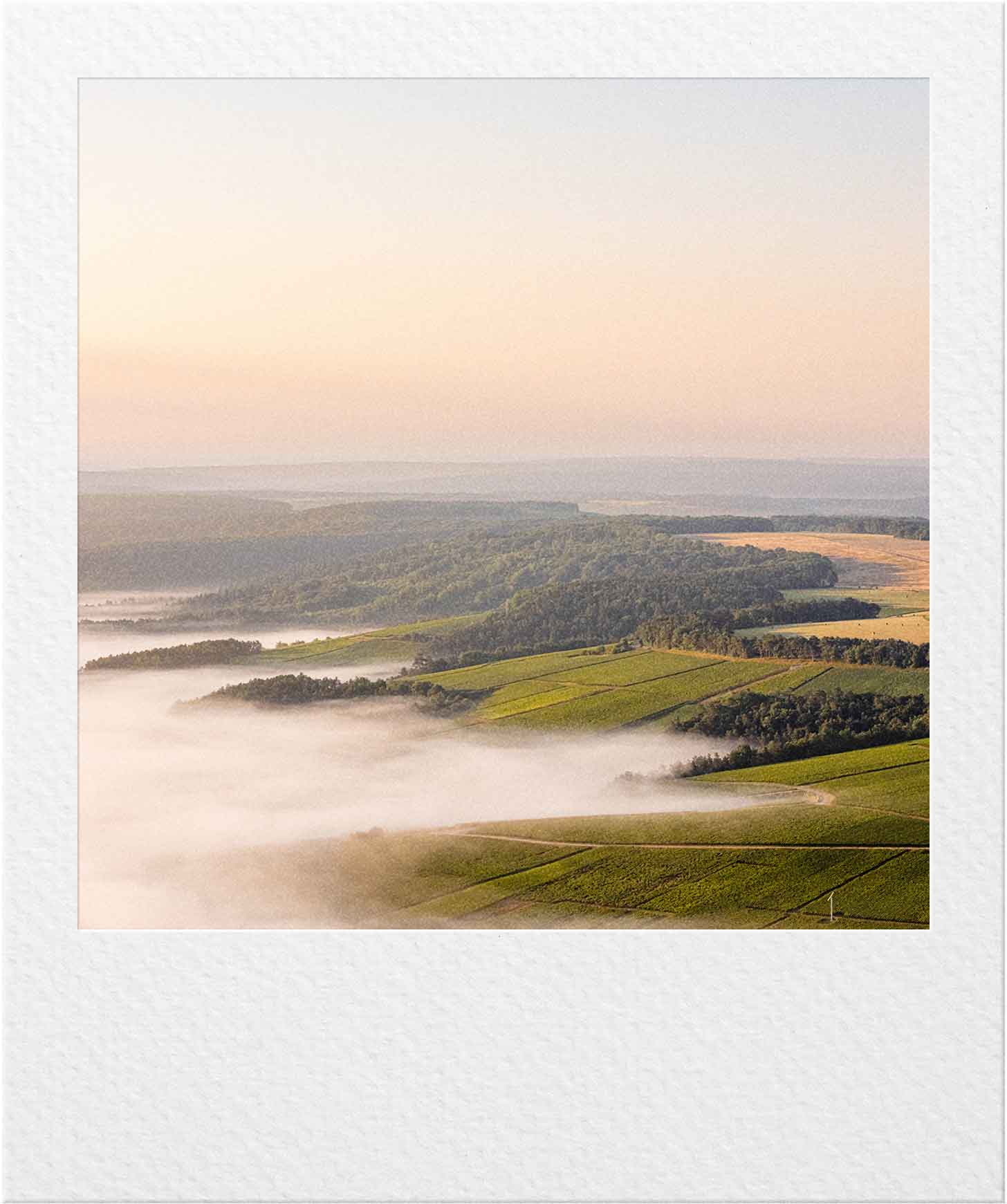
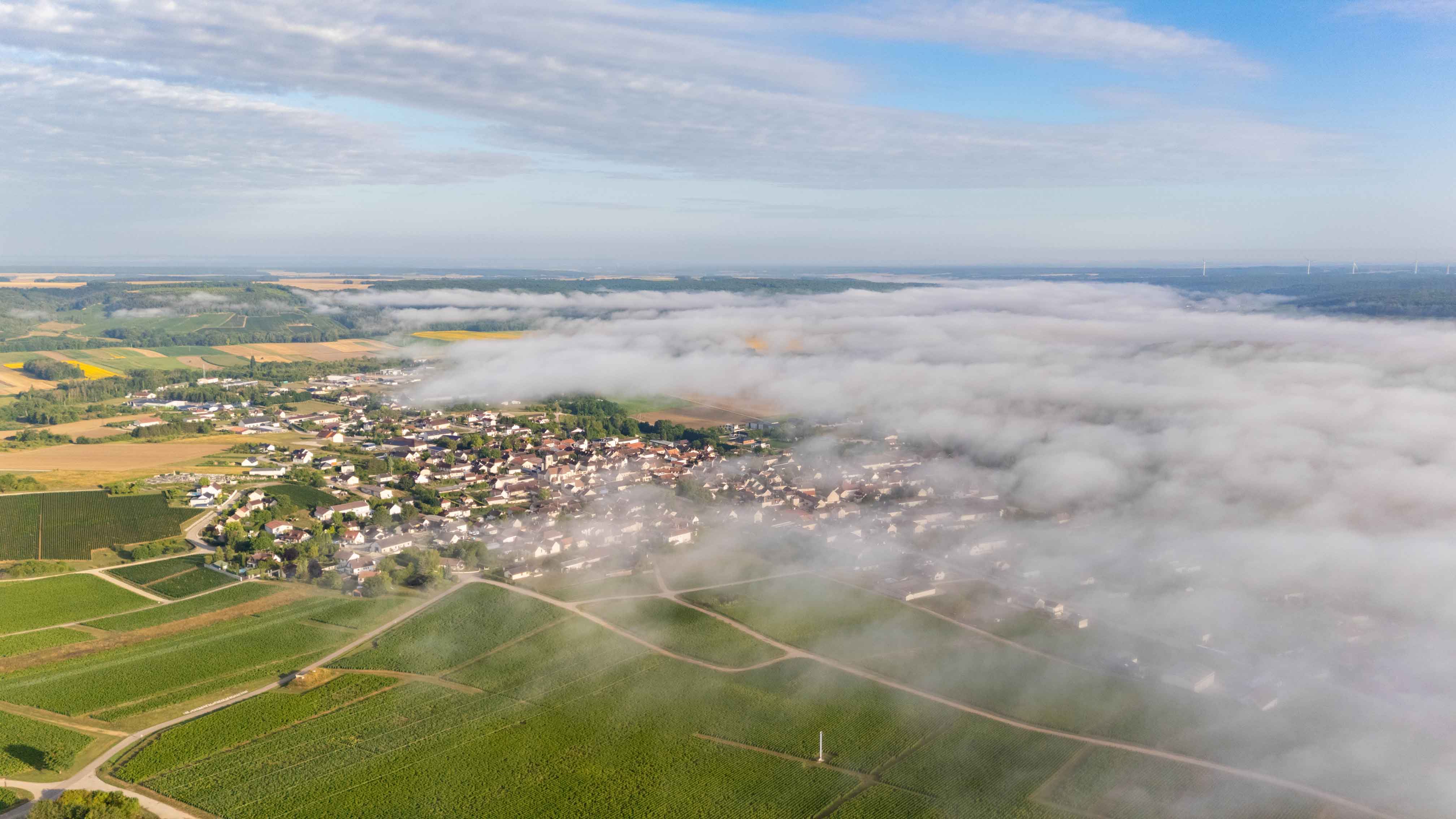
Atelier Fays is the passion project of a sibling trio: Manon, Lucas, and Adrien Fays. It has always lived in their minds, driven by the desire to carry forward the family legacy of their parents, Laurence and Philippe, their grandparents, Marie-Louise and André, and their great-grandparents, Alice and Jean. The fourth generation grew up on the lands of southern Champagne, at the heart of the Côte des Bar, in the village of Celles-sur-Ource, which has just 500 inhabitants and where the rhythm of daily life is marked by the vineyard. With Atelier Fays, they have invested themselves in a passion project: creating a Champagne that connects them to this cherished heritage, their roots, and the very foundation of their lives.
About the Name
The name Atelier Fays reflects the spirit of craftsmanship that guides the winemaker's trade: the quality of the raw materials, ancestral know-how, and the authenticity of each bottle. For the siblings, this word also holds a personal and family resonance. It evokes the workshop of their childhood, where they grew up alongside their parents, learning, helping, and making their first attempts.

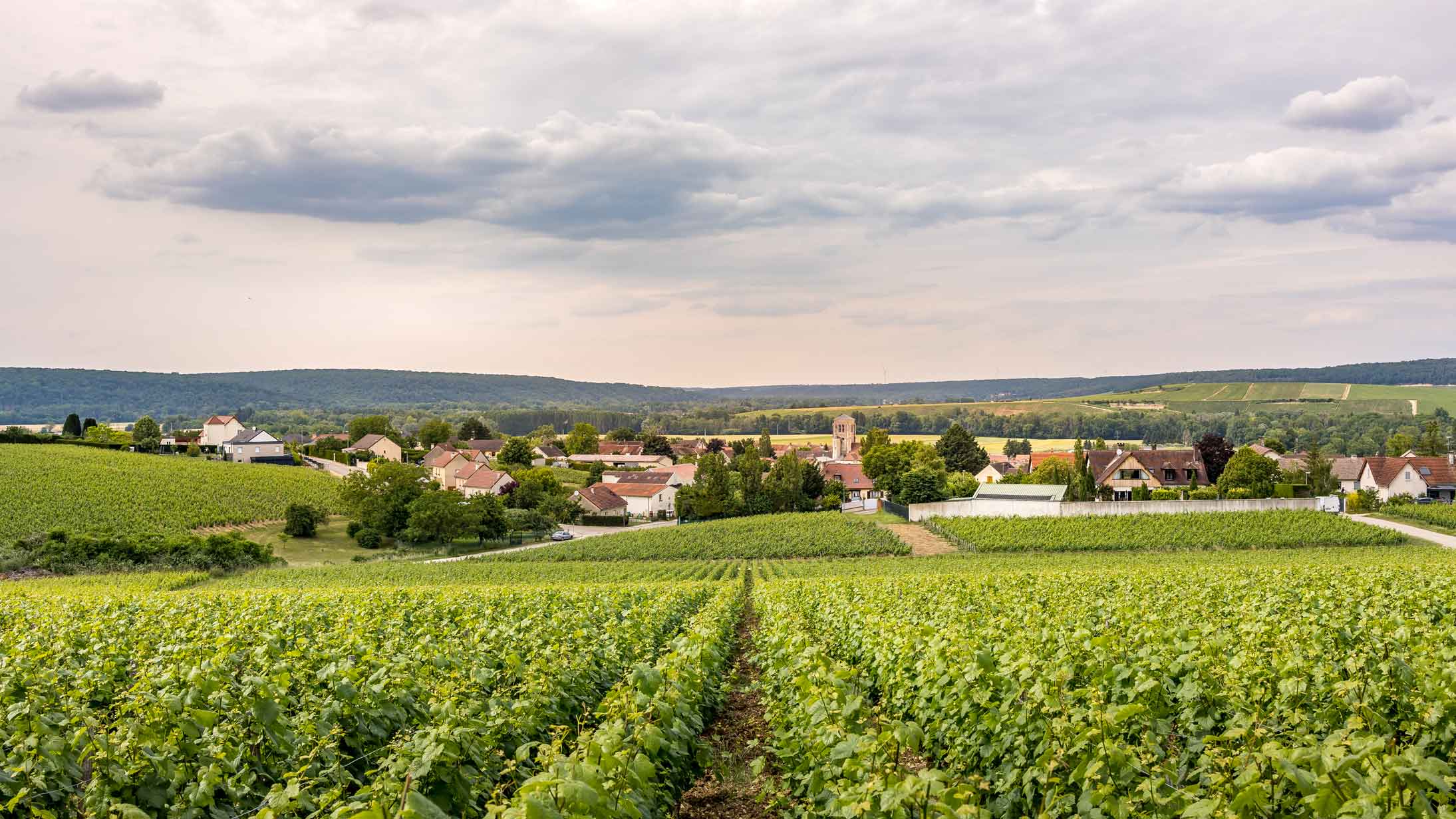
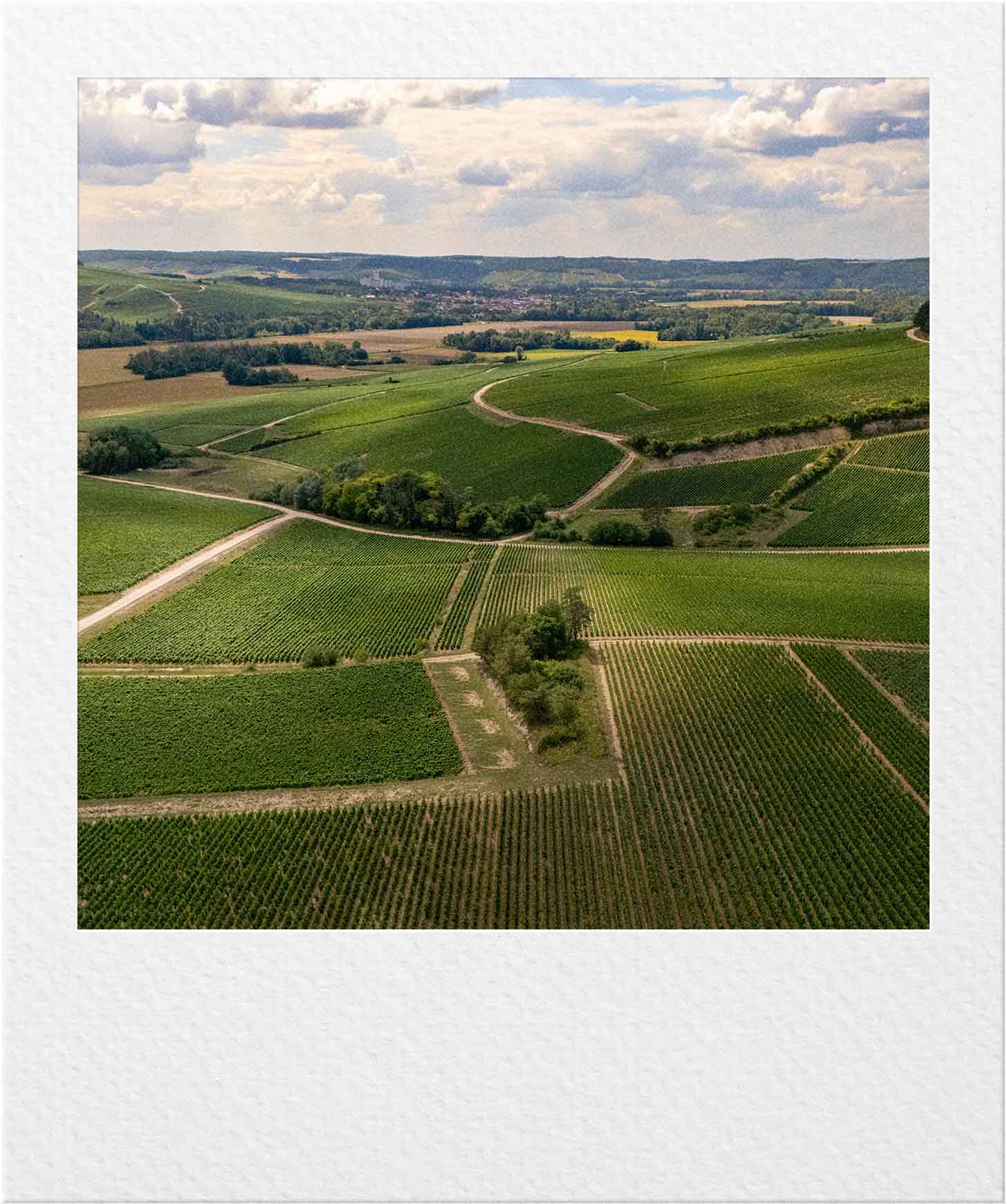
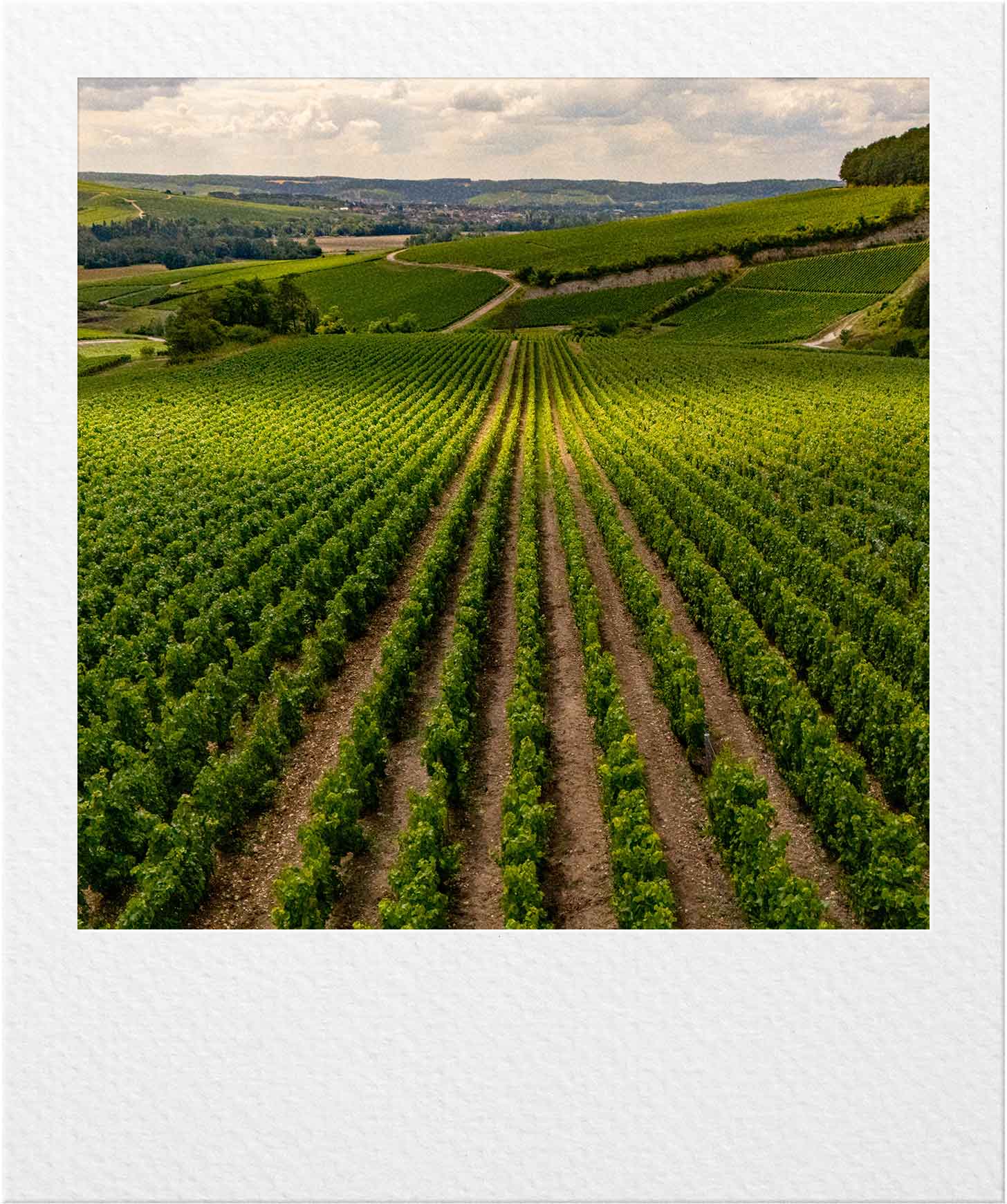
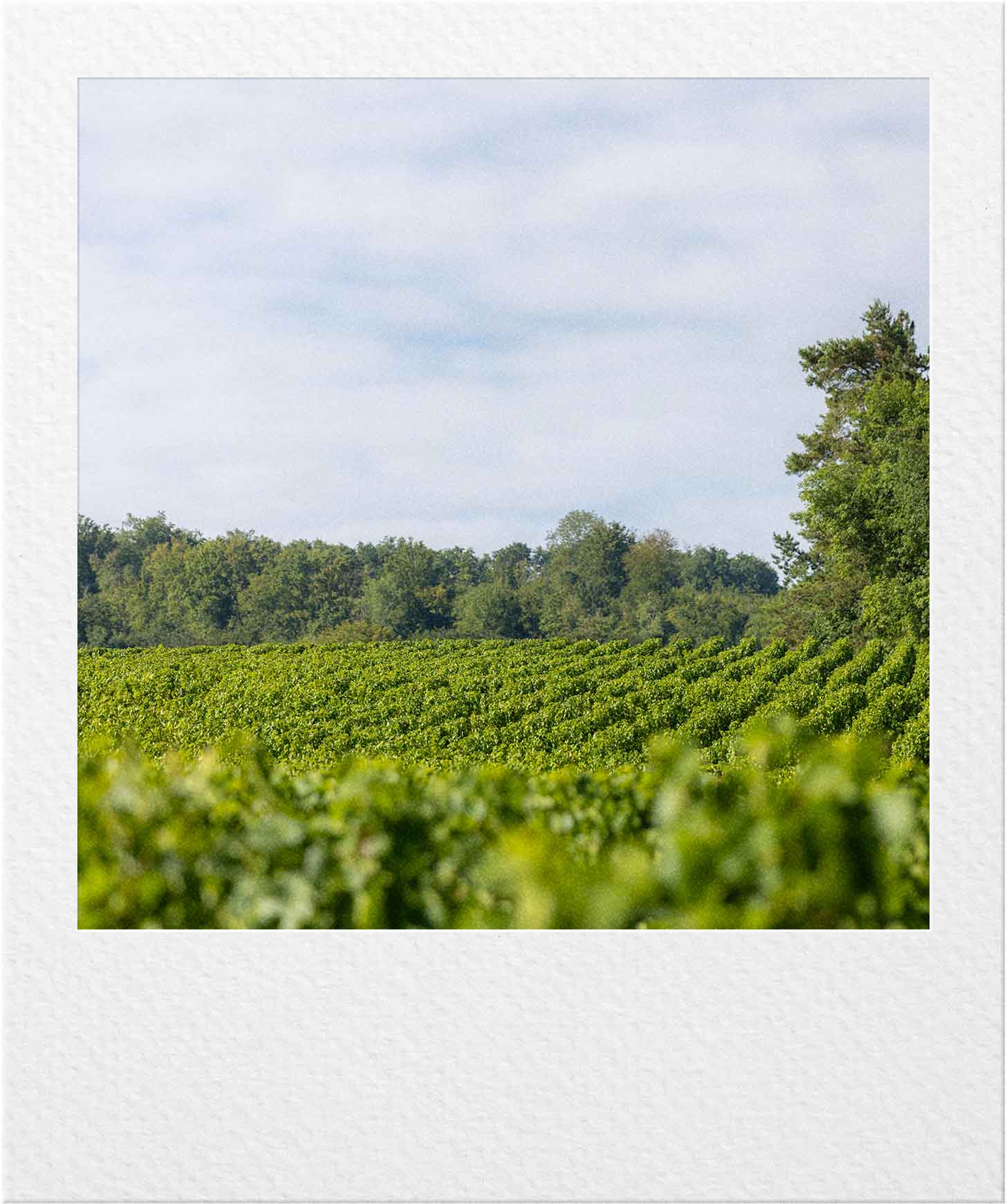
Celles-sur-Ource is a village like many in France: 500 inhabitants, a church, and pastoral landscapes; here, the vineyard, located in the heart of the Côte des Bar in Champagne. For Manon, Lucas, and Adrien, it is the cradle of their childhood, their haven, the place where it all began.
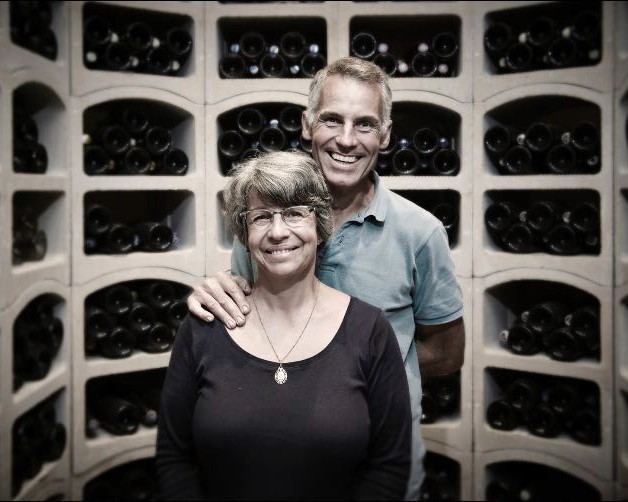
From an early age, their parents, Laurence and Philippe, passed on their passion for viticulture, nature, and biodiversity. They taught them to listen rather than hear, to look rather than glance, to taste rather than just eat, and to observe every detail of daily life, every season, during the Sunday walks that marked their childhood.
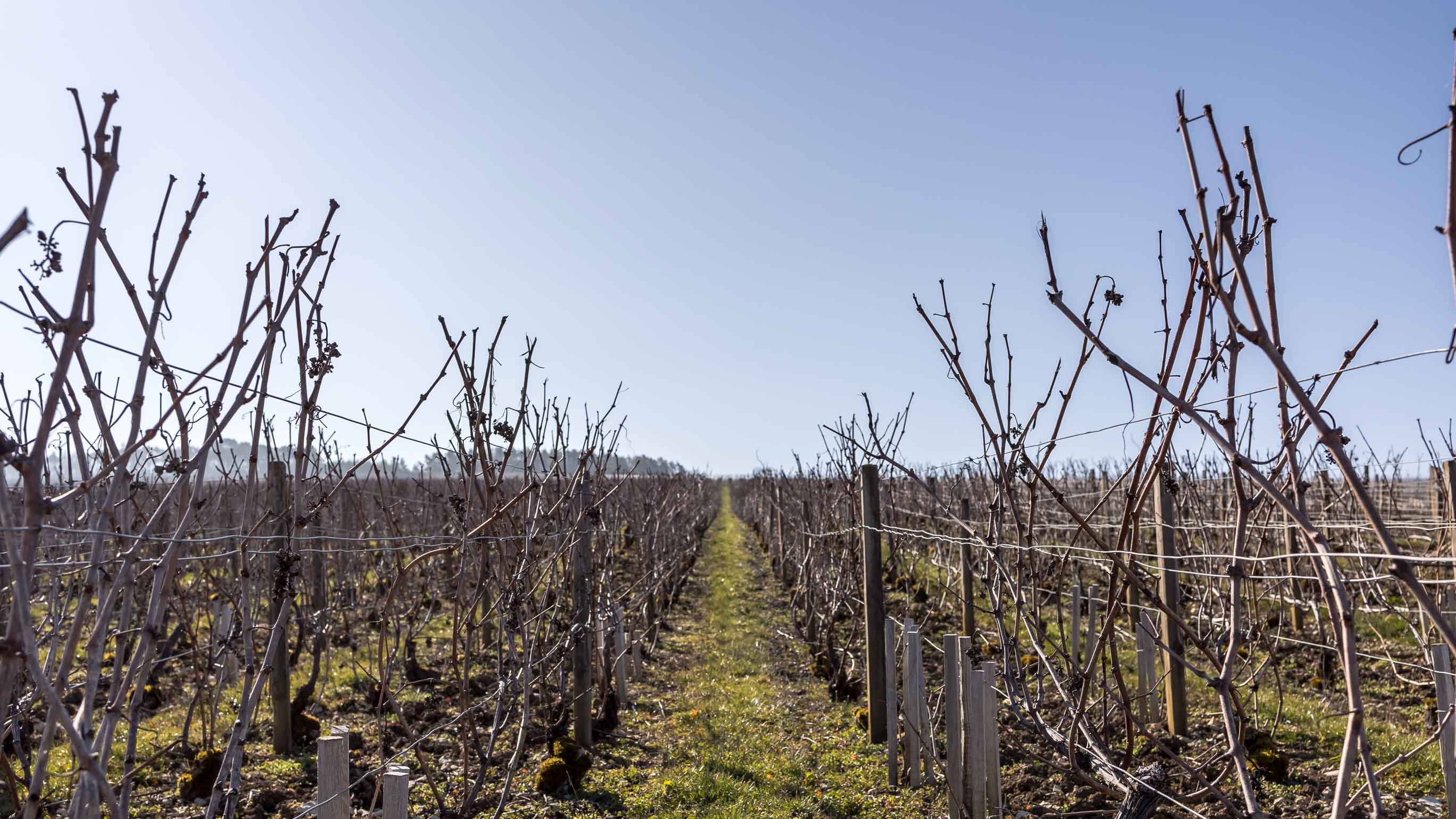
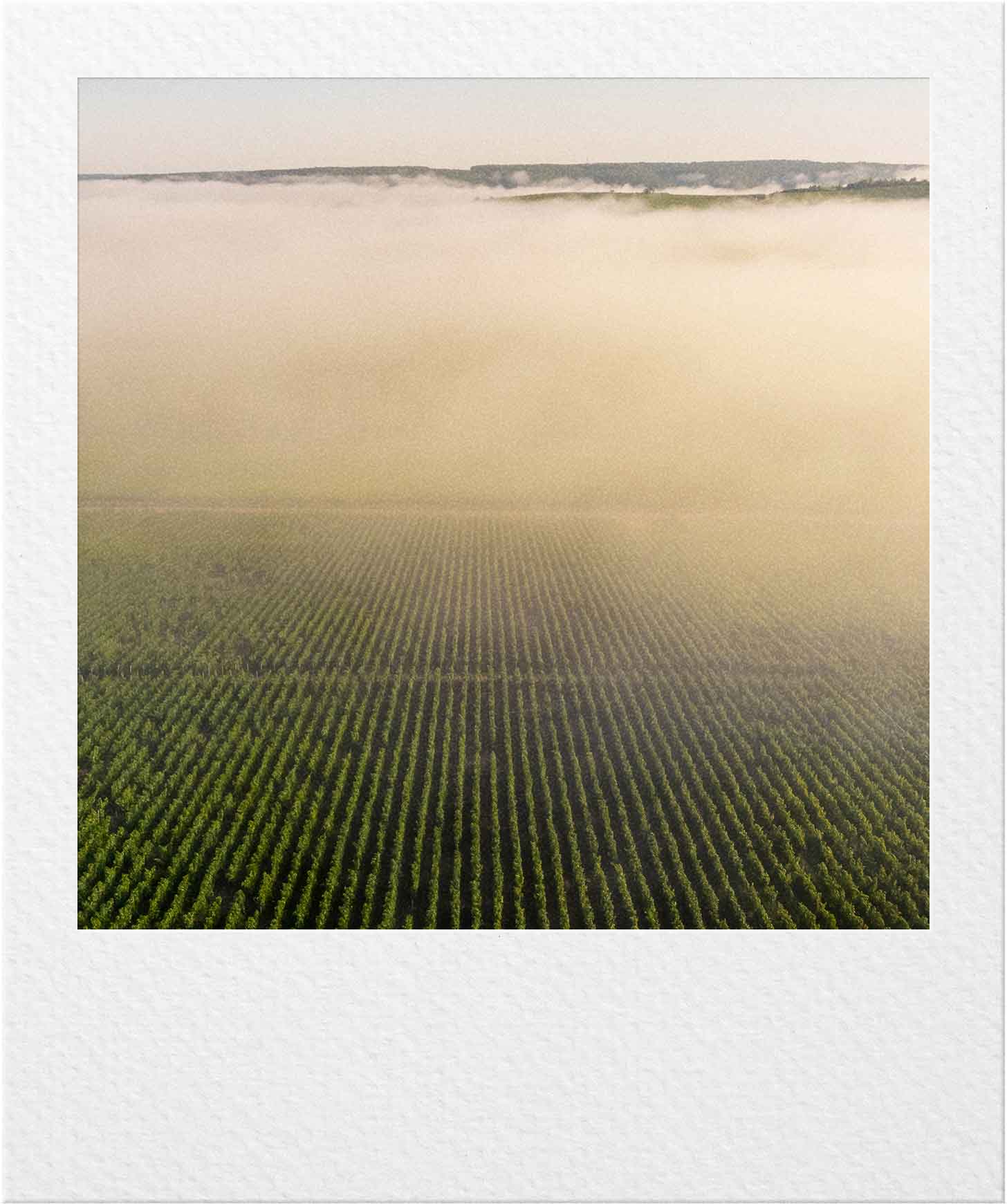
From the numbness of winter, with its thick fog, frozen vine shoots, and icy grass, to the overflowing river and the scentless air, punctuated only by the smell of the fireplace, Manon, Lucas, and Adrien absorbed every emotion…
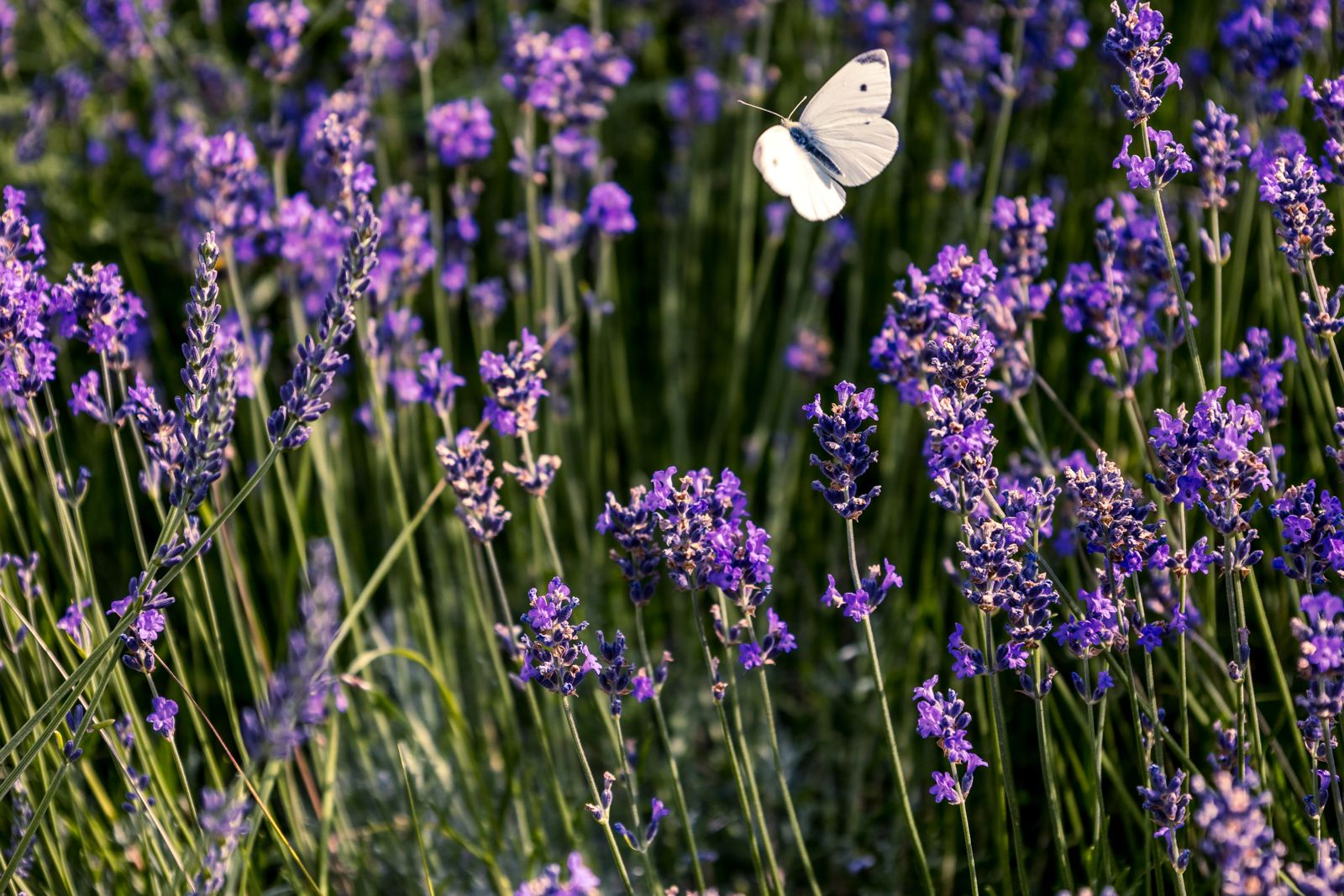
The abundance of spring awakens in a festival of sensations: the first rays of sunlight on the skin, the joyful songs of birds, the blooming of wild primroses, and the appearance of the first buds in the vineyard…

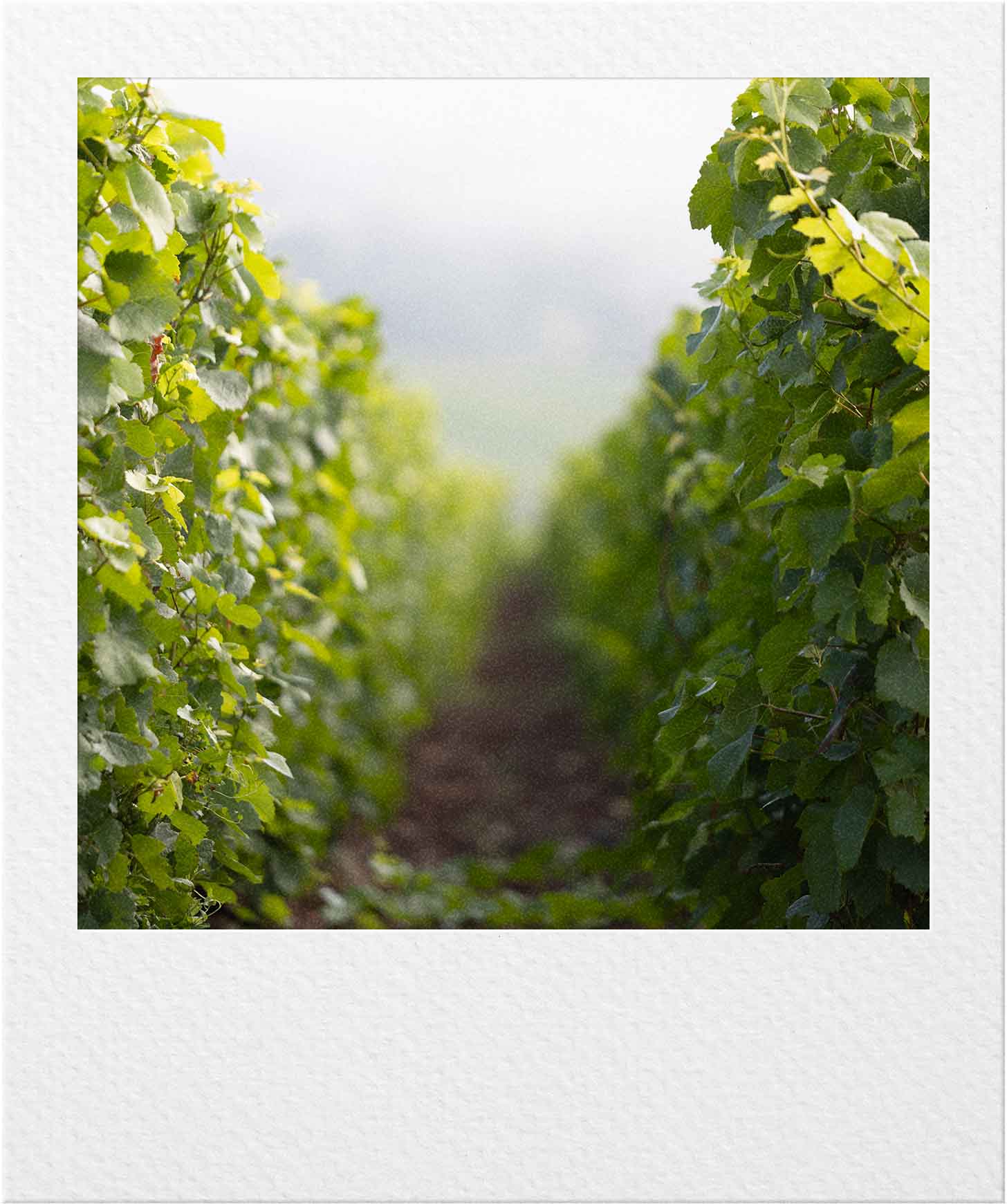
The headiness of summer reveals its long days, colorful sunsets, the hum of the jeep, shades of green in the Champagne vines, boisterous swims in the river, and juicy fruits and vegetables…
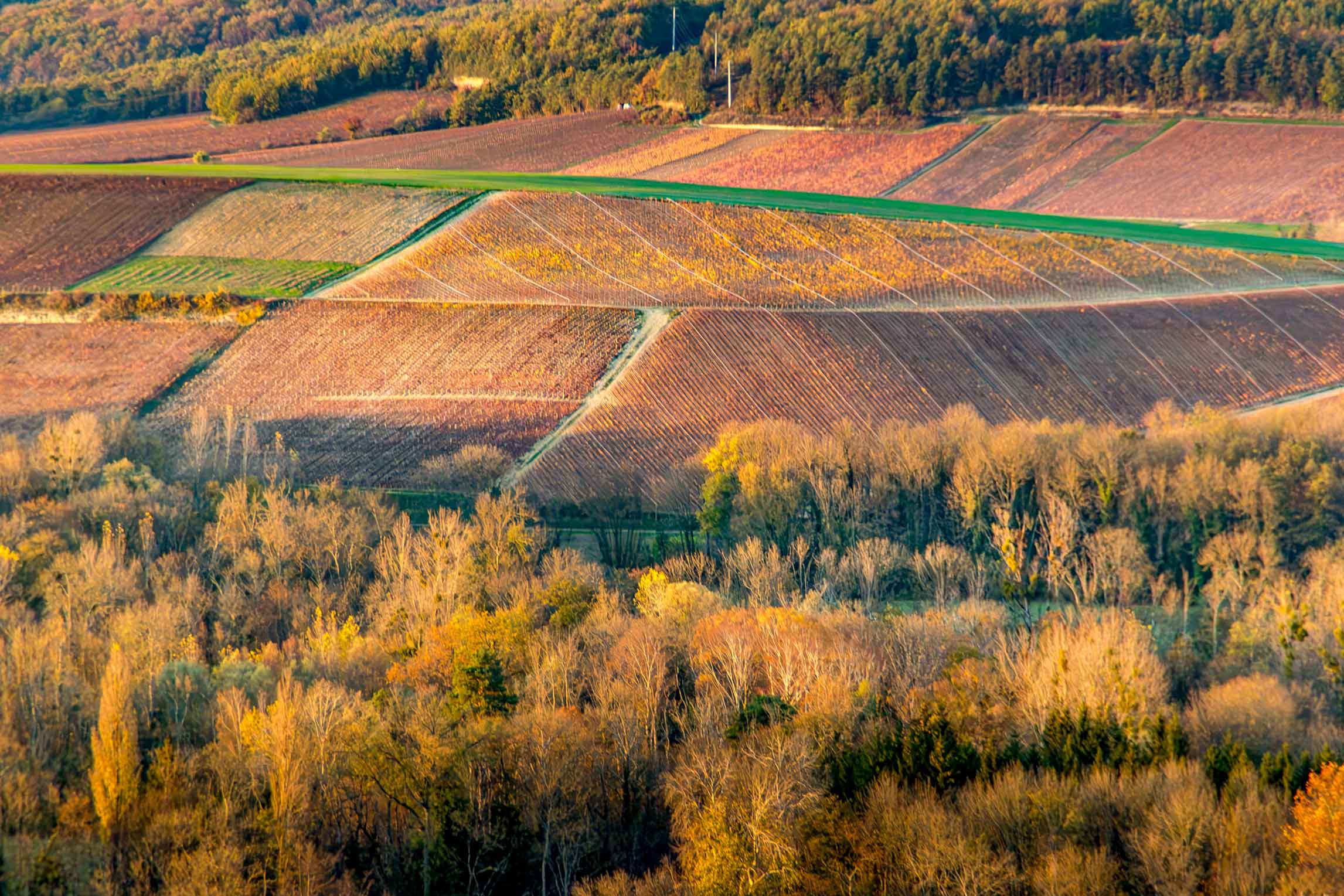
The intensity of autumn unveils its orange palettes across the Champagne vineyards, the earthy mix of leaves and soil, the fall of chestnuts, mushrooms, whether poisonous or not, and the first crackling of fireplace…
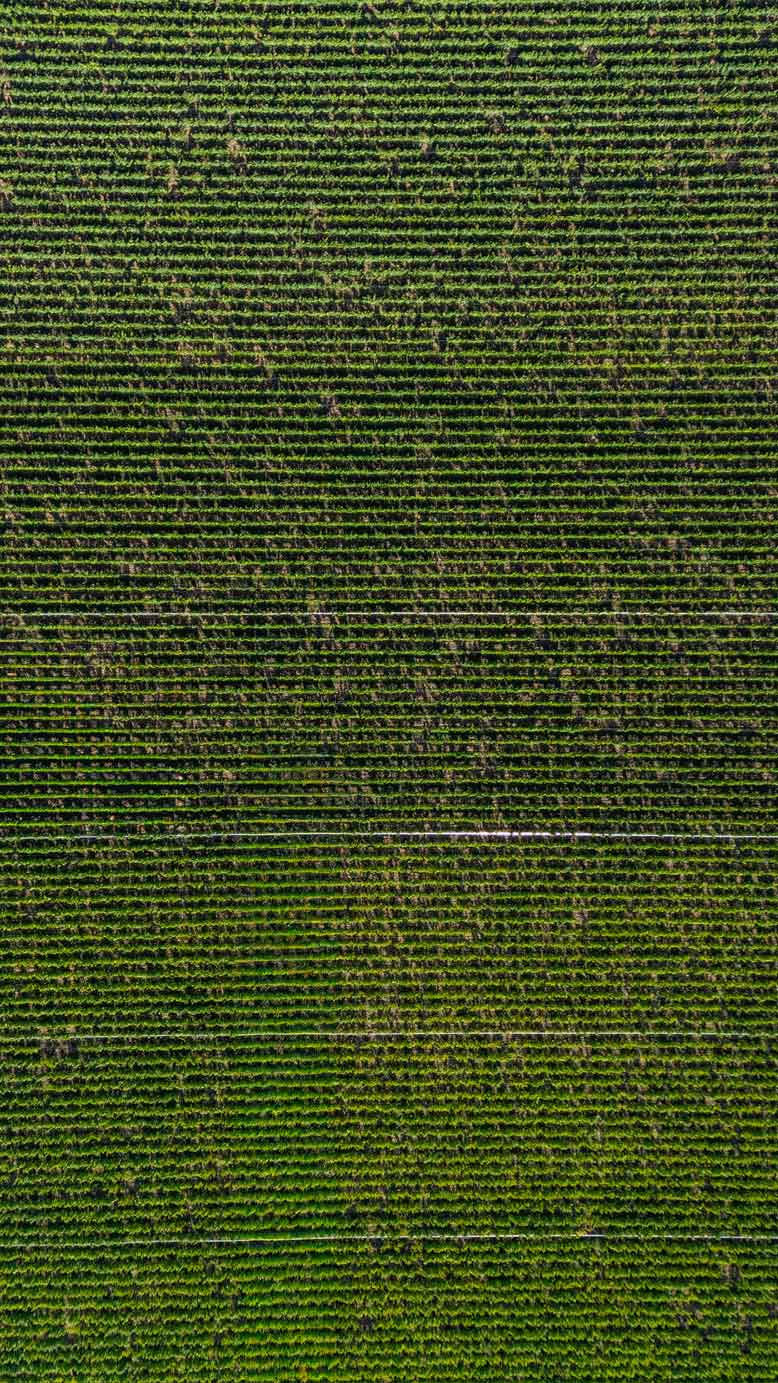
Adrien has always been particularly attuned to nature and the Champagne terroir, approaching it with ingenuity and a constant flow of ideas. His explorations in the vineyards and surrounding forests taught him to respect constraints, the diversity of materials... This dynamic would later lead him to design, conceptualize, and bring to life objects, structures, and decor.
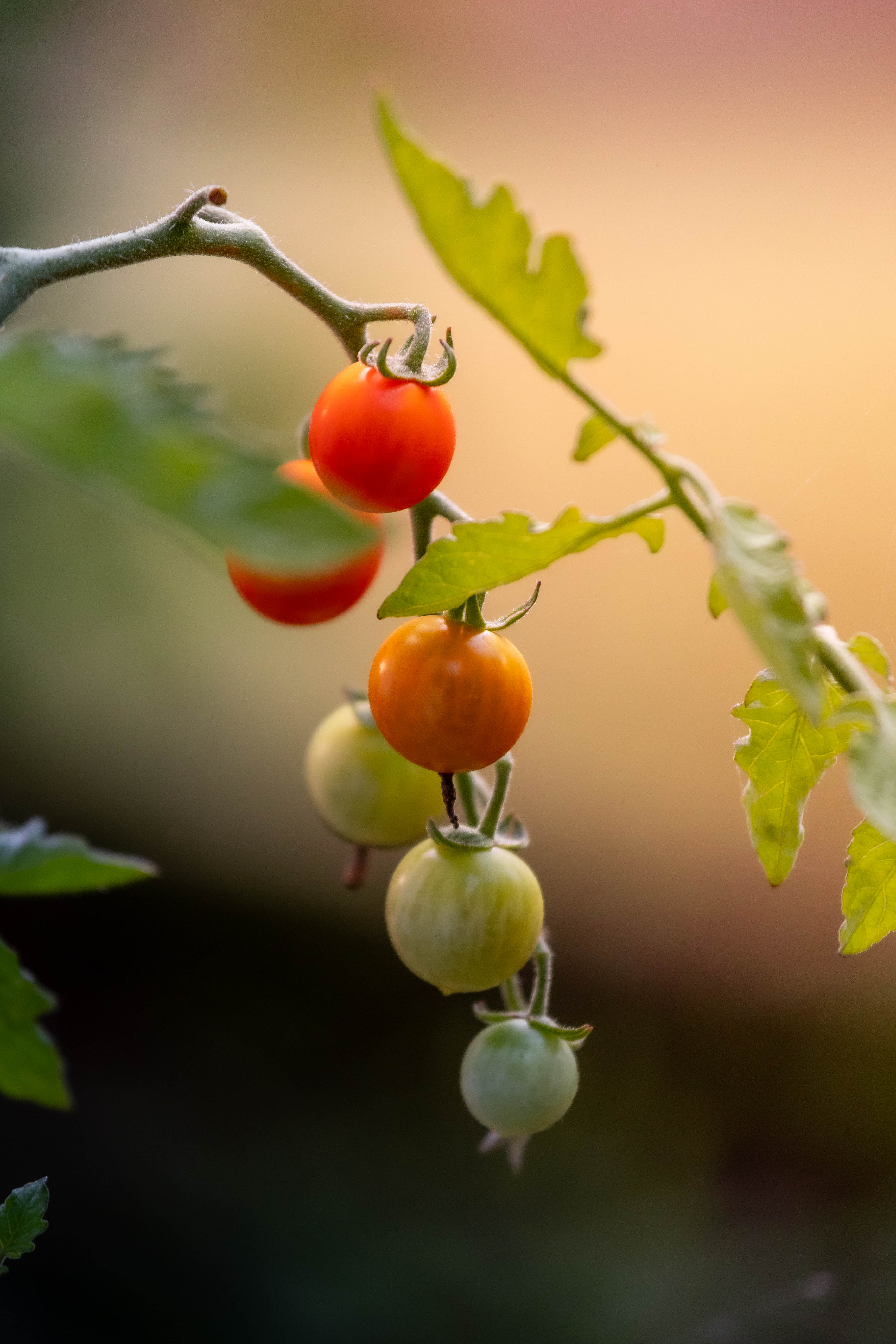
Their family culture was also built around the table, the central wooden piece of the home, where long lunches, animated conversations, and contagious laughter took place. It is here that authentic and generous recipes are passed down, where seasonal produce is always king.
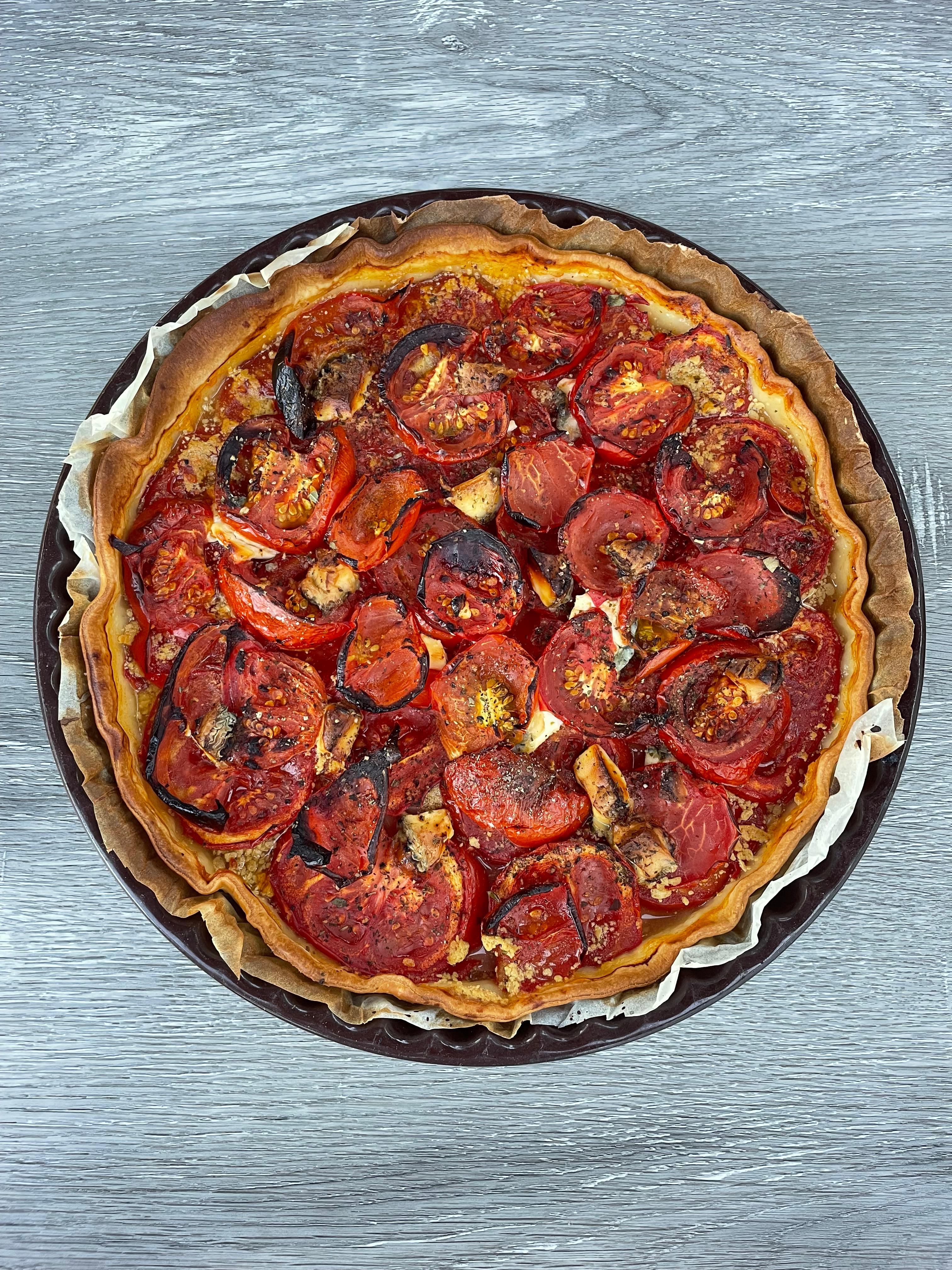
From the rule of tasting everything at the weekly market, with its vegetable growers, butchers, charcutiers, and cheesemongers, they learned an endless palette of textures, flavors, and combinations. This insatiable curiosity inspired Manon to work alongside chefs and artisans of the culinary world, and Lucas to pursue hospitality, eventually creating his own restaurant.
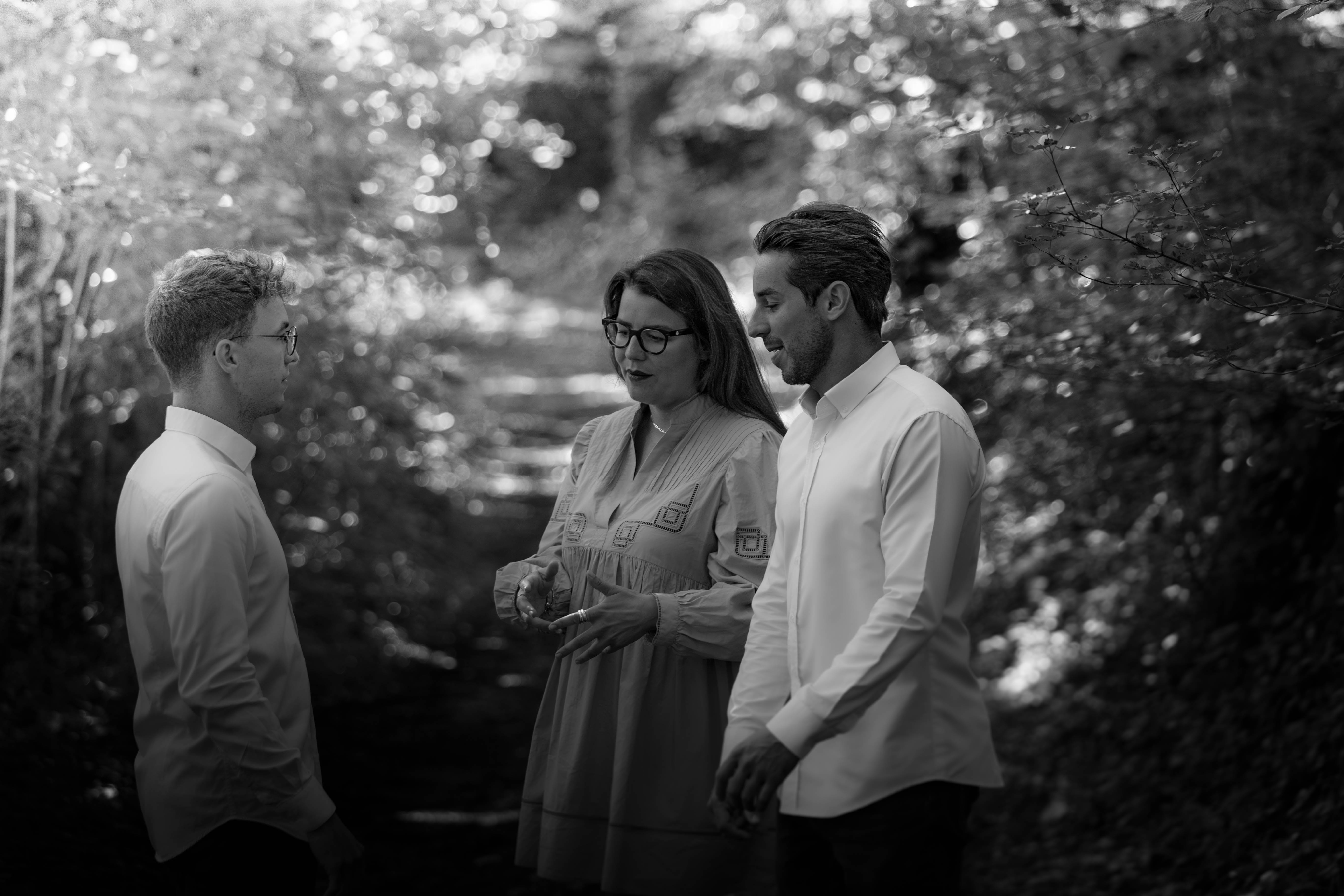
Beyond nature and the cuisine, Manon, Lucas, and Adrien were immersed early on in conversations about the Champagne vineyard, the cycle of the vine, the daily tasks, and the challenges involved in protecting the harvest. They were lulled by the rhythm of the estate.
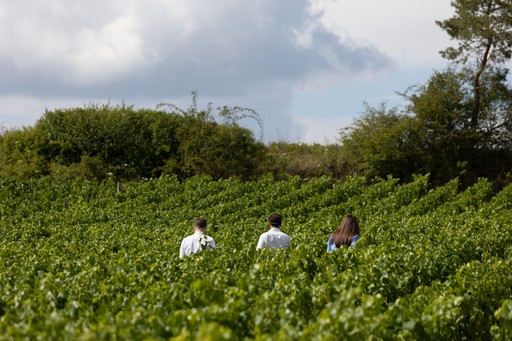
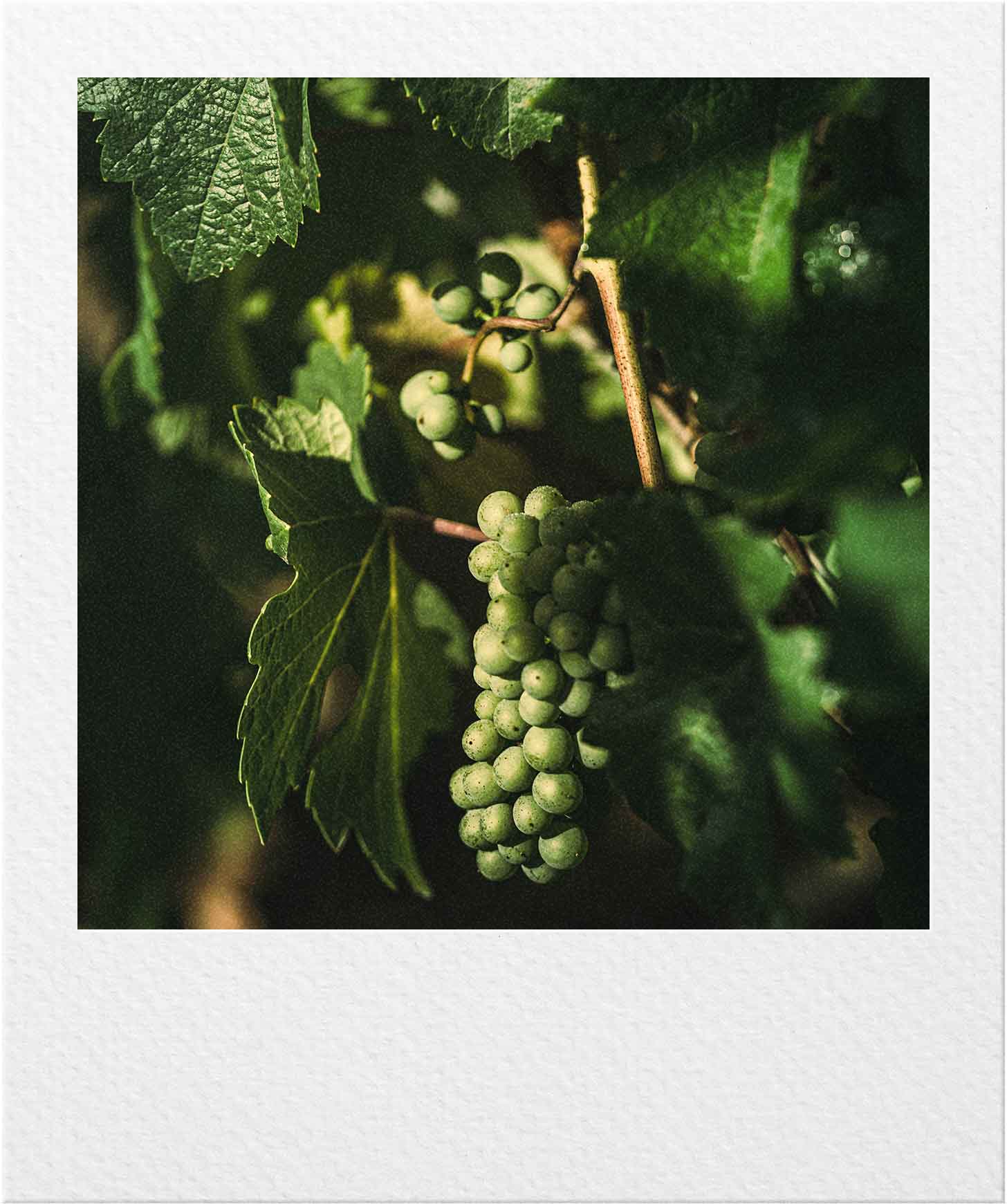
Over the years, they participated according to the seasons: harvesting grapes during the vendanges, of course, but also stacking pruning wood before it was shredded and returned to the soil to enrich its organic matter; collecting stones to ease soil work; pulling out weeds with a weed puller to let the vines breathe; trimming shoot tips by hand during trellising to bring order to the vineyard; packing bottles during dressing; and even joining tastings.
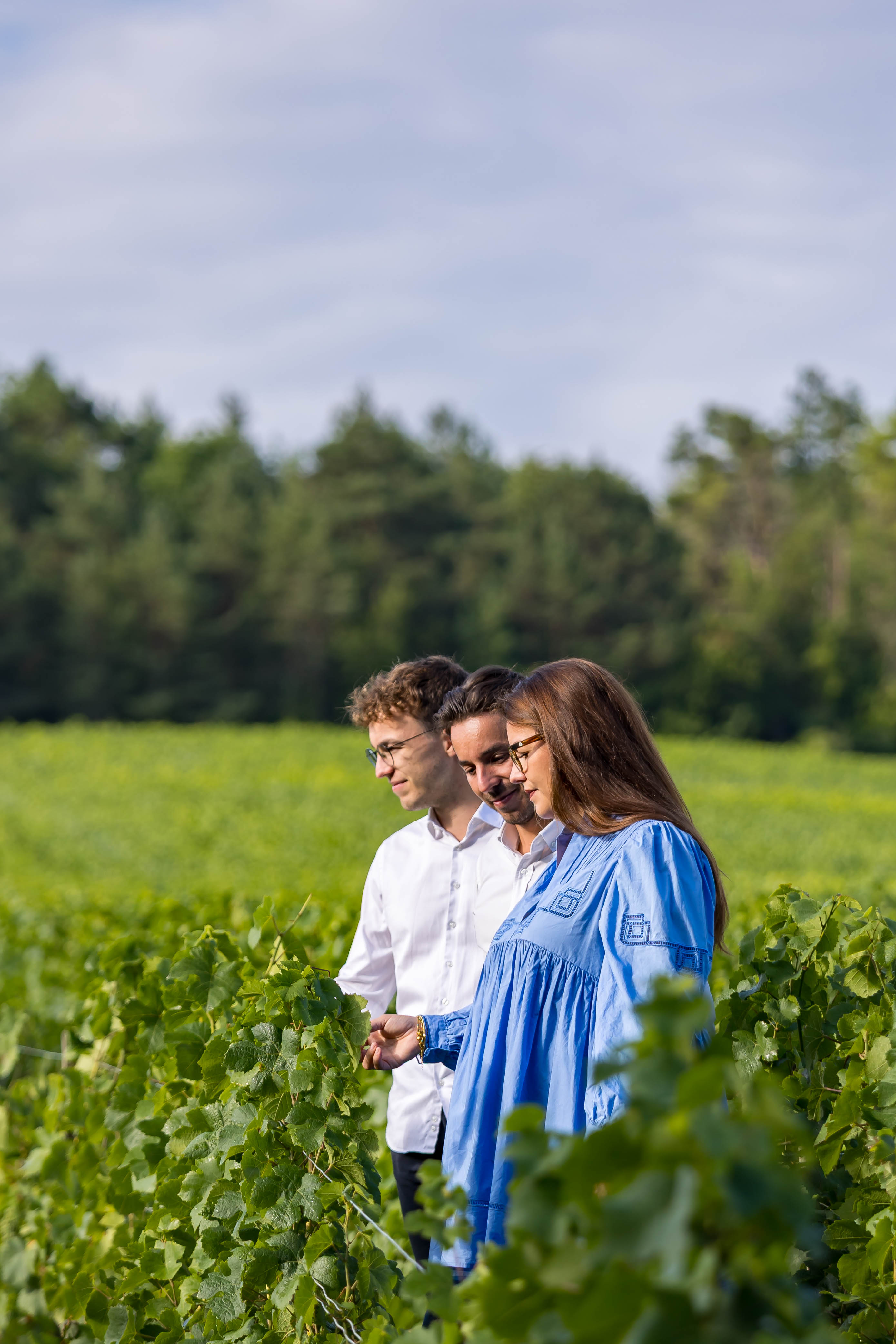
This passion was woven into daily life. It was never a burden; it was alive, vibrant, and unifying. It marked them deeply; it became a choice of the heart, a place of belonging.